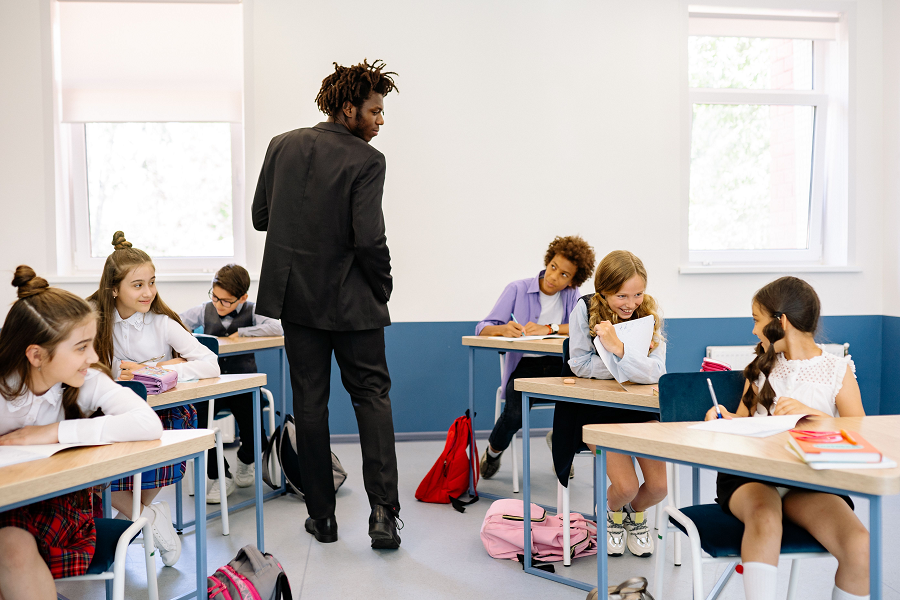
A student refuses to complete an activity. Another interrupts every few minutes. Someone avoids group work. Another becomes upset when the classroom routine changes. These moments can be challenging for teachers. The immediate reaction is often to focus on stopping the behaviour.
But what if the behaviour is communicating something?
Students do not always have the words to explain what they feel, what they need, or what they find difficult. Instead, they may express these challenges through their actions.
A student who refuses a task may be feeling overwhelmed. A child who constantly seeks attention may be looking for connection. A learner who becomes frustrated quickly may be struggling with emotional regulation.
Understanding this connection between behaviour and communication can change the way educators respond.
It shifts the question from:
“How do I stop this behaviour?”
to:
“What is this student trying to tell me?”
Behaviour Is More Than an Action
Behaviour is often the most visible part of a deeper issue.
A teacher sees the action first:
- A student leaves their seat.
- A learner does not complete work.
- A child reacts strongly to feedback.
However, the reason behind the behaviour may not be immediately visible. Educational psychology highlights that many factors, including emotions, motivation, relationships, cognitive development, and the learning environment, influence learning.
This means behaviour should be viewed in context. A learner who becomes restless during long lessons may need more movement or different ways to engage with the content. Teachers who understand this can respond with greater accuracy.
The goal is not to excuse every behaviour. Expectations and boundaries remain important. The goal is to understand the reason behind the behaviour so that support becomes more effective.
Why Students Communicate Through Behaviour
Children and young people develop communication skills at different rates.
Some students can explain:
- “I am finding this task difficult.”
- “I feel anxious when I have to present.”
- “I need more time to understand.”
Others may not have the confidence, language, or emotional awareness to express these feelings.Instead, their behaviour becomes their message.
When students feel understood, they are often better prepared to engage in learning.This is especially important for learners with additional needs, including those with autism, ADHD, learning disabilities, or emotional and behavioural challenges.
5 Common Messages Hidden Behind Student Behaviour
Here are a few common messages students may communicate through their behaviour and what teachers can learn by looking beyond the action:
1. “I Don’t Understand What Is Expected”
Sometimes behaviour is linked to confusion.A student may appear distracted because they do not know how to begin a task. They may avoid work because the instructions feel unclear.
Teachers can look for signs:
- Does the behaviour happen during difficult activities?
- Does the student need instructions repeated?
- Does the learner perform better with examples?
Small changes can make a difference.Teachers can break tasks into smaller steps, provide visual instructions, demonstrate examples, and check understanding before expecting independent work.Clear communication from the teacher can reduce frustration for the learner.
2. “This Feels Too Difficult”
Students do not always show difficulty by asking for help.Some learners become quiet. Others may become disruptive. Some may pretend they are not interested.
A student saying, “I don’t care,” may actually mean:
“I do not know how to succeed at this.”
This is where understanding learner differences becomes important.Teachers trained through programmes such as B.Ed. in Special Education develop deeper knowledge of learning needs, inclusive strategies, and approaches that support diverse learners.
The aim is not to lower expectations.It is to provide the right support so students can reach those expectations.
3. “I Need Help Managing My Emotions”
Emotional regulation plays an important role in learning.A student who becomes angry after a small mistake may not be reacting only to that moment. They may already feel stressed, frustrated, or overwhelmed.Young learners especially need support in understanding emotions and managing responses.
Teachers can help by:
- Modelling calm communication
- Creating predictable routines
- Teaching problem-solving strategies
- Giving students time to process emotions
A calm classroom does not mean students never experience difficult emotions.It means they learn healthier ways to respond.
4. “I Want to Feel Connected”
Relationships influence learning.Students are more likely to participate when they feel respected and valued by their teachers.A child who constantly interrupts may not simply be trying to disrupt the class. They may be seeking attention or connection.This does not mean every interruption should be accepted.
Instead, teachers can consider:
- Does the student receive positive attention?
- Are they included in classroom activities?
- Do they have opportunities to contribute?
Positive teacher-student relationships can create a stronger foundation for learning and behaviour improvement.
5. “The Environment Is Not Working for Me”
Every student experiences the classroom differently.For some learners, noise, bright lights, crowded spaces, or sudden changes can create stress.A student covering their ears, avoiding activities, or becoming upset may be communicating discomfort.Inclusive classrooms recognise that learning environments need flexibility.
Simple adjustments can include:
- Providing clear schedules
- Giving warnings before changes
- Offering quiet working spaces
- Using different ways to present information
These approaches can support students while also benefiting the wider classroom.
The Role of Teachers in Understanding Behaviour
Teachers are not expected to diagnose every challenge.Their role is to observe, support, and respond appropriately.Good observation helps teachers identify patterns.
They can ask:
- When does the behaviour happen?
- What happens before it?
- What helps the student engage?
- What strategies have worked before?
These questions turn behaviour into information.Instead of reacting only to the moment, teachers can create longer-term solutions.A Bachelor of Education in SEN Online can provide educators with specialised knowledge while allowing them to continue developing their professional experience.
Bottom Line
Student behaviour often carries information that words cannot express. When educators learn to look beyond actions, they can identify learning barriers, emotional needs, and opportunities for support more effectively. A B.Ed. in Special Education can help teachers develop the knowledge required to support diverse learners through inclusive strategies and evidence-based practices. Understanding behaviour as communication allows teachers to move from simply managing classrooms to creating learning environments where every student has the opportunity to succeed.